

Living with Lynch syndrome
A hereditary predisposition to illness, or an illness itself, can affect daily life, relationships, and interactions between loved ones in many ways. While situations and experiences are deeply personal, open communication, understanding each other’s feelings, and finding solutions together can help in adapting to these changes. Although living with Lynch syndrome can bring challenges, a fulfilling daily life, closeness, and joy are entirely possible alongside it.
In brief
- Information about Lynch syndrome can affect daily life and relationships in many ways. A hereditary predisposition to cancer often raises questions about the future, health, and one’s life situation.
- The situation can impact romantic relationships and interaction between loved ones. Partners may experience and process the matter in different ways and at different times.
- Lynch syndrome can also prompt reflections on sexuality, parenthood, and starting a family. Decisions and feelings related to these topics are deeply personal.
- Open discussion, access to information, and seeking support can make it easier to process the situation. You do not have to carry difficult things alone.
Relationships and living with an illness or hereditary predisposition
Daily life changes in many ways when you learn about a hereditary predisposition to illness, not to mention falling ill yourself. The future of the partners, or the entire family, becomes uncertain in many aspects. This situation challenges both partners to also turn their gaze toward each other and to update their relationship to match the new life circumstance. An illness or unexpected information about a hereditary predisposition often causes a crisis in a relationship, to which partners frequently react at different times and in different ways. While one may start taking active measures and sorting out practical matters, the other might become completely paralyzed. This challenging situation can drive a couple further apart, but it can also bring more intimacy or shared connection into the relationship. All changes within a relationship are different and unique. They are influenced by the partners’ life histories, as well as their current life situation and personal resources.
Impacts on the relationship
An illness alters the perception of oneself, one’s capability, and one’s functionality through various symptoms, medications, and procedures. This also impacts our relationship. The carrier of a hereditary predisposition or the partner who has fallen ill may feel defective and inadequate; they may feel angry and disappointed with their life and themselves. The partner’s emotions can include frustration, anger, hopelessness, and helplessness. With long-lasting anger and disappointment, there is a risk that over time they will turn into bitterness and cynicism toward life. How could one accept these difficult things as a part of life and strive to live a good life despite them?
Both the carrier of the syndrome or the ill partner and their spouse should receive support for themselves, their emotions, and processing them. Information about a hereditary predisposition can bring about a sense of loss similar to what falling ill often does. Letting go is not easy, and it is frequently associated with emotions experienced as difficult, such as grief, disappointment, and anger. These kinds of feelings are completely normal. It is important to distinguish that these emotions are directed at the situation, the syndrome, or the illness—and not at the partner standing by your side.
The impacts of a syndrome or illness on sexuality
Information about a hereditary predisposition, much like falling ill, shakes one’s self-concept and self-image. It also affects the perception of one’s own sexuality and its role in the relationship. When you receive support for processing the feelings, thoughts, and experiences triggered by the situation, you can, over time, accept the syndrome as a part of yourself and your identity. Embracing the matter supports the strengthening of self-esteem and the expression of one’s sexuality. Support for this process can be obtained from your partner, healthcare professionals, as well as experts from patient organizations and peers.
It is well known that when a person is unwell, sexual desire decreases. When ill, one may experience shame for not being able to function normally. Feelings of shame cause a lack of desire and withdrawal from the relationship, as well as from sexual intercourse and other everyday intimacy. This further increases the distance between partners and leads to more withdrawal from closeness. Openness and talking about the matter would be important, even when it feels difficult. In a relationship, it is worth striving for a safe and relaxed atmosphere, allowing you to work together to find new ways to show affection and express your sexuality. That way, the challenges are easier to overcome.
Support for the situation (in Finnish)
Tukea parisuhteen kysymyksissä tarjoavat Väestöliiton Parisuhdekeskus Kataja
Parisuhdeteemainen päivystys chat
Yhdessä vahvemmaksi – Opas parisuhteen tueksi, kun perheessä on sairautta
This text was written by Laura Huuskonen, an expert from Parisuhdekeskus Kataja ry. The original article was published in Finnish and has been translated into English.
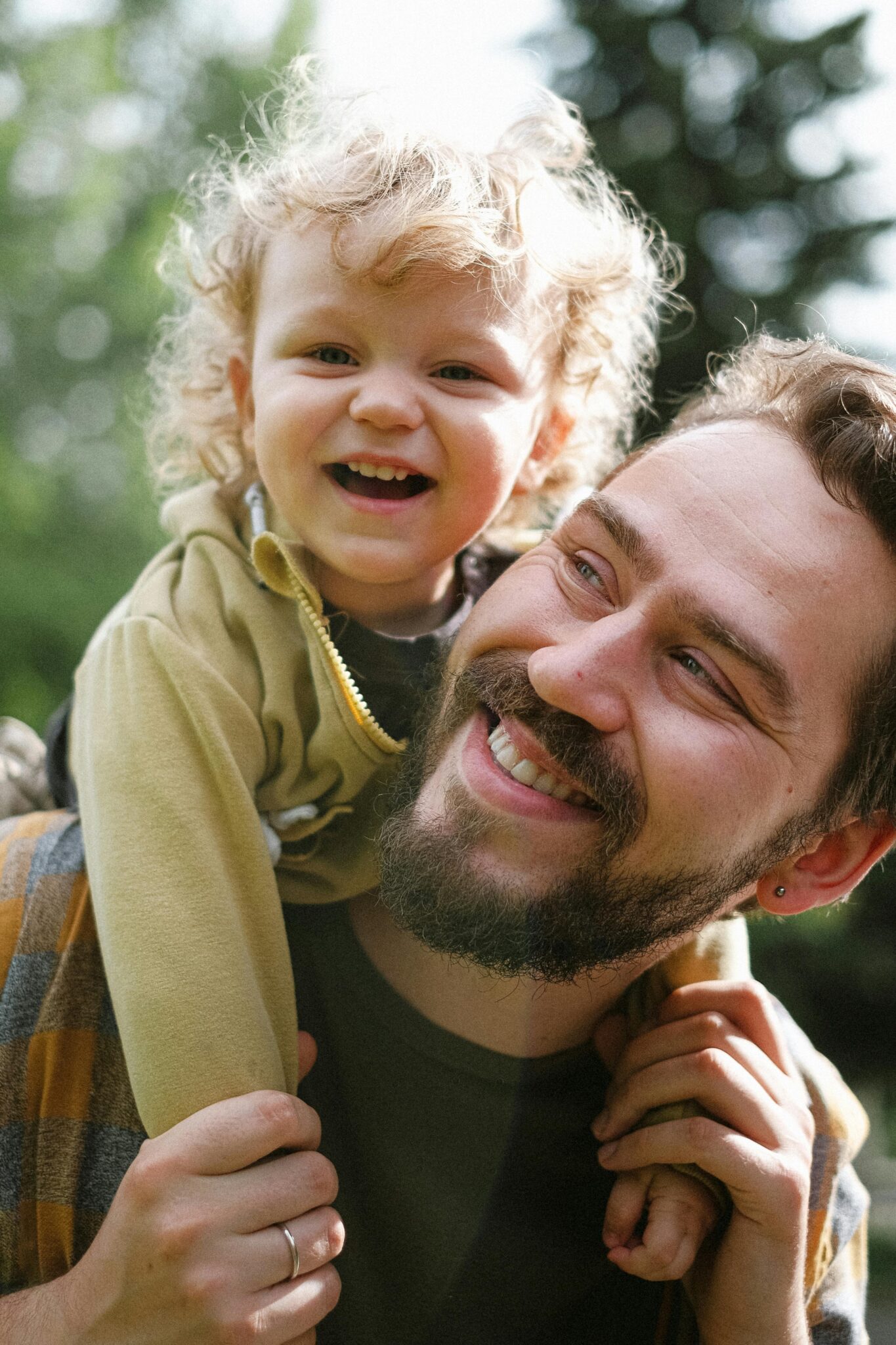
Parenthood and living with a syndrome or illness
Having children or childlessness
Having children or childlessness are always extremely sensitive and intimate questions, to which no outsider can provide the right answer. However, when facing a hereditary, elevated risk of illness, partners are also forced to discuss the possibility of the genetic mutation being passed down to their own children. This question can be one of the most difficult ones that partners encounter together. Therefore, it would be important that the decision can be made together, by discussing all aspects of the matter and sharing information, feelings, and thoughts.
Because both partners experience and react to things differently, it is crucial to recognize and express one’s own emotions, thereby increasing understanding and a sense of togetherness. However, doing so can feel difficult. We may fear hurting the other person, we might not want to burden or worry them, our own feelings might seem foolish, we may not be used to talking about our emotions, or we might fear breaking down if we stop to think about how we are truly doing. To support such an important decision, it is worth seeking professional help—both to gather information and to facilitate the discussion. One should not stay alone in a difficult situation when help is available.
When a parent falls ill
When a parent falls ill, parenthood does not disappear with the illness, nor should it be taken away from the parent. The parent themselves also needs comfort. A parent may experience guilt for not being able to protect their children from encountering suffering.
Parenthood may change, but it is important that the parent remains available, present, and close to the child in some way, both emotionally and physically. Children of all ages need a parent who is able to process their own feelings of shock, as well as anticipate the future, explain and talk about upcoming treatments, for example, and manage to keep daily life functional. Children need a parent who is also capable of accepting help themselves.
Support for the Situation (in Finnish)
Tukea parisuhteen kysymyksissä tarjoavat Väestöliiton Parisuhdekeskus Kataja
Parisuhdeteemainen päivysty chat
Yhdessä vahvemmaksi – Opas parisuhteen tueksi, kun perheessä on sairautta
Miten tukea lasta tai nuorta, kun perheenjäsen sairastaa syöpää?
This text was written by Laura Huuskonen, an expert from Parisuhdekeskus Kataja ry. The original article was published in Finnish and has been translated into English.
Sharing your diagnosis with a new partner
How to tell a new partner about your syndrome or illness
When discussing a serious and potentially hereditary predisposition to illness (often referred to as a syndrome) or an illness itself, it places the carrier in a difficult situation and introduces many choices along their life path. If the information about a predisposition to illness is known at a young age, it can affect the formation of dating relationships. Especially in the early stages of dating or when just getting to know someone, many wonder when and how it would be best to share information about the syndrome or illness. The reception and reaction of a new person can cause anxiety or even fear, as one cannot know for certain how the other will react to the matter.
Open discussion prevents misunderstandings
When you share information about the syndrome or illness while still getting to know each other, you avoid misunderstandings later on. Often, an open discussion about the topic eases the minds of all parties in the relationship: when the subject is talked about, it becomes easier to understand the other person. However, discussing one’s own situation is not always easy. When talking feels difficult, other methods of communication can be applied. Patient organizations provide reliable and understandable information, and potentially also material specifically aimed at loved ones. Reading reliable information can serve as a good foundation for a discussion. It also gives the other party time to process the information, making the conversation potentially more comfortable for both and making it easier to put thoughts and feelings into words.
Respecting the boundaries of the other
It is also good to openly discuss the ground rules for talking about the subject. A hereditary predisposition to illness, much like falling ill, is a personal and often intimate matter, so it is only fair that the discussion progresses with suitable sensitivity and respect for one’s boundaries. Talking about the topic and sharing information is not always natural, and it can be difficult for a partner to understand how the other person feels.
However, the most important thing for the carrier of the syndrome or illness to understand is that even if one’s situation is hard to comprehend, or if the illness has severe symptoms or requires a lot of care, one does not have to settle for any less respect or poorer treatment because of it. Everyone deserves a gentle relationship that provides support and safety. Each and every party in a relationship is equal and entitled to express their opinion and participate in decision-making.
Support for the situation (in Finnish)
Tukea parisuhteen kysymyksissä tarjoavat Väestöliiton Parisuhdekeskus Kataja
Parisuhdeteemainen päivysty chat
Yhdessä vahvemmaksi – Opas parisuhteen tueksi, kun perheessä on sairautta
This text was written by Laura Huuskonen, an expert from Parisuhdekeskus Kataja ry. The original article was published in Finnish and has been translated into English.